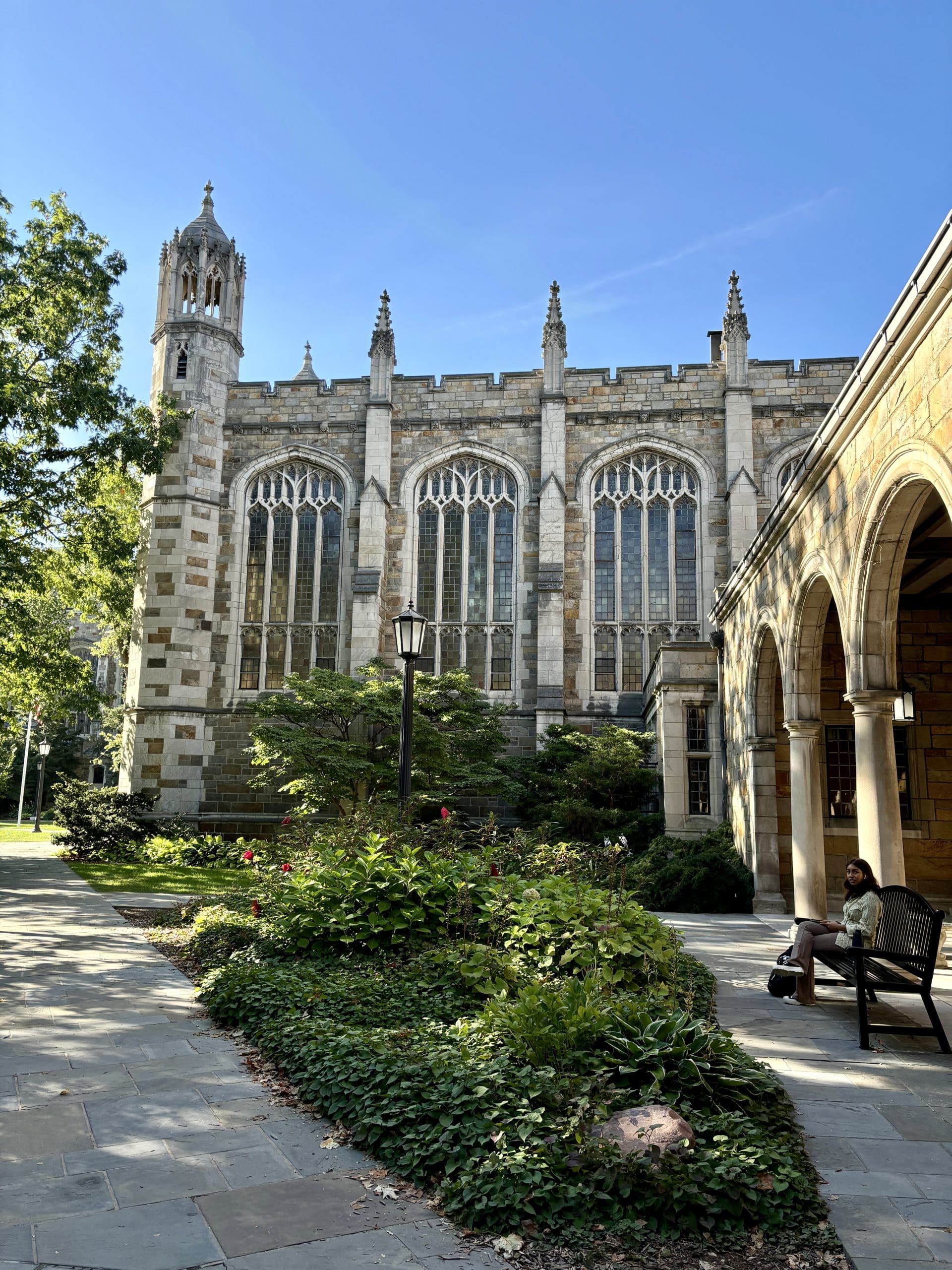
As one of the most popular public universities in the US, The University of Michigan prepares students for academic and professional success. The university focuses on research, combining subjects, and innovative teaching methods. This creates a rich learning environment that helps students grow intellectually and personally.
Introduction to the University of Michigan
The University of Michigan, located in Ann Arbor, is known for its high academic standards. Founded in 1817, it now stands as a top research university in the US. It’s well-known for its work in medicine, law, engineering, and the arts.
History and Legacy
The University of Michigan has a long story. The first campus was located in Detroit but moved to Ann Arbor in 1837. The new campus was established on 40 acres which is now the heart of Michigan’s central campus. This section of land is affectionately called the Diag due to the many diagonal sidewalks.
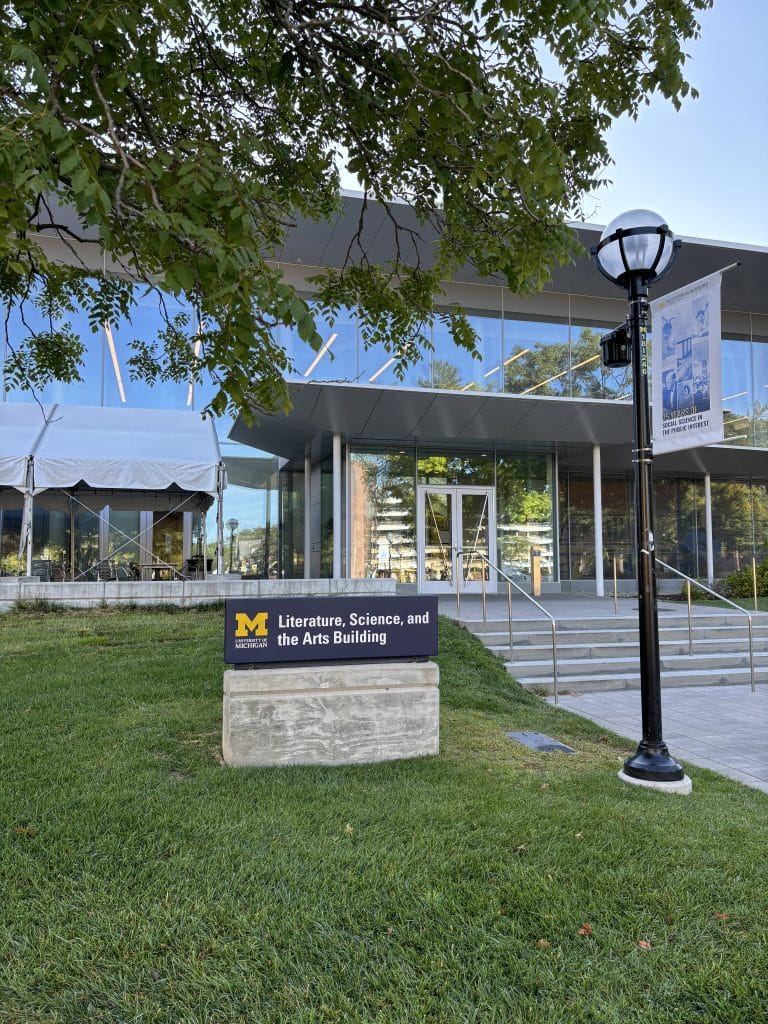
The College of Literature, Science, and the Arts (LSA)
The College of Literature, Science, and the Arts (LSA) at the University of Michigan offers over 85 majors. These programs cover the humanities, sciences, and arts and LSA students can explore a wide range of subjects deeply and broadly.
LSA programs focus on hands-on learning, and students can take part in research projects outside the classroom. These projects, guided by accomplished professors, help students think creatively and solve real problems.
International study abroad programs add to the richness of LSA’s programs. These studies help students see the world from different angles. They prepare them for careers in a global world, focusing on practical skills and understanding different cultures. LSA students develop strong skills in critical thinking, communication, and combining knowledge from different fields, making them strong candidates when they start their careers.
University of Michigan: LSA Honors Program
The LSA Honors Program at the University of Michigan is for top students. With special courses and personal advising, it’s a powerful way for honors students to dive into their field of study. Students must complete an honors thesis and maintain a 3.5 to keep participating and graduate with honors.
Program Benefits
Being in the LSA Honors Program offers many benefits. Students can take advanced classes that cover complex topics. These classes are small, so students can easily contribute to discussions and connect with their peers and professors. They have access to individualized mentorship and guidance.
| Requirement | Description |
| GPA | Minimum 3.5 |
| Honors Thesis | Completion of a significant research project |
| Advanced Coursework | Enrollment in specialized, in-depth classes |
| Personalized Advising | Individual guidance for academic and career goals |
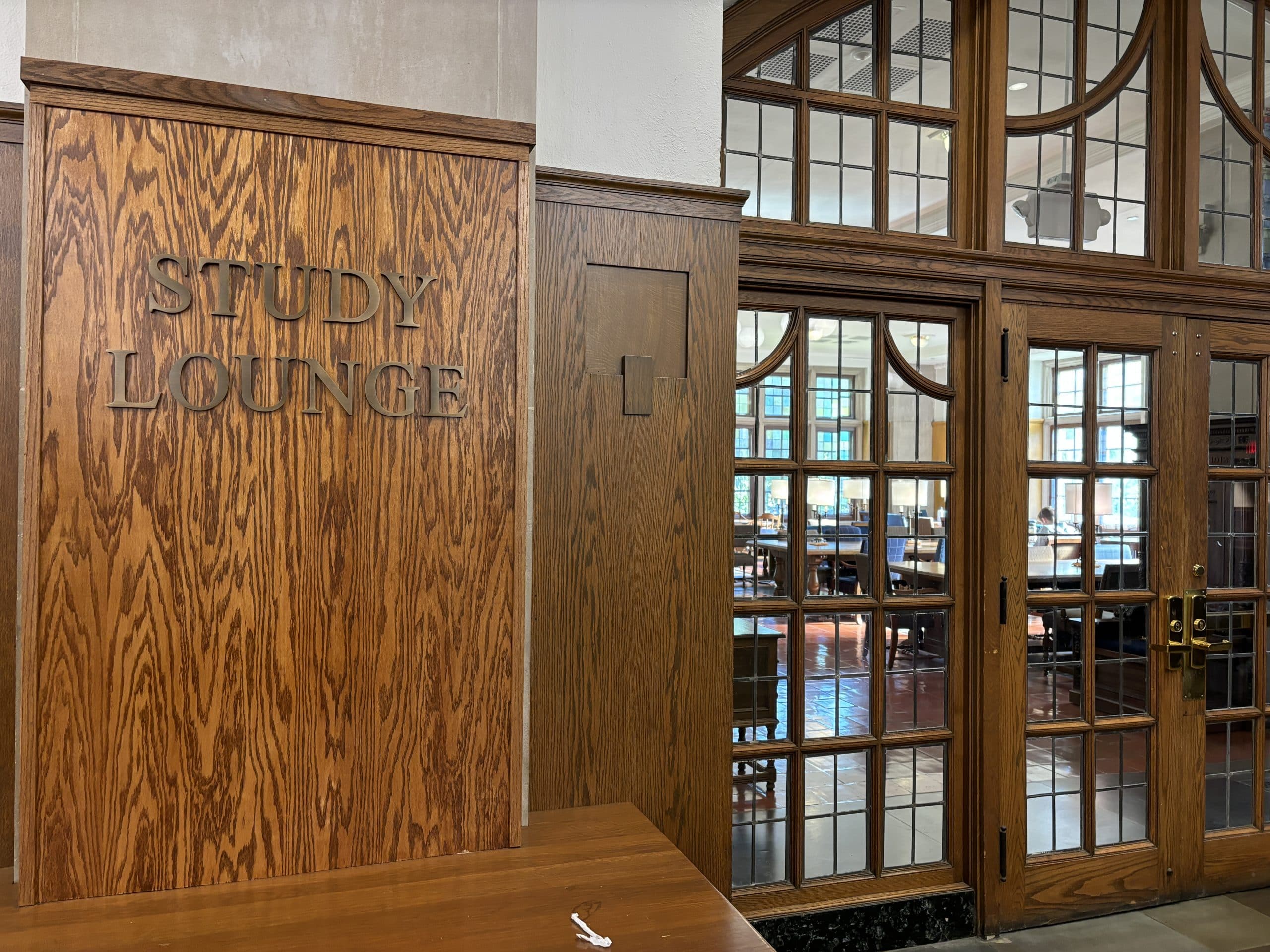
Residential Colleges: A Closer Look
The university’s Residential Colleges (RC) offer a special educational experience. They combine the resources of a large research university with the more supportive feel of a small college. And, with over 40,000 undergraduate students, this is a very welcome measure. This creates an environment where, through personalized attention, students can grow academically and personally. Students who apply to the University of Michigan should be proactive and be on the lookout for information about RCs since some options are not available when they apply with the Common App
Living in an RC means students can study with the same cohort of peers and take part in rich traditions and fun activities as a group. These opportunities are highly beneficial to ease the transition into college and students can feel at home when they join their Residential College.
| Feature | Benefit |
| Personalized Education | Tailored academic guidance and individualized attention |
| Small College Community | Enhanced sense of belonging and close-knit social environment |
| Closer Faculty Interaction | Opportunity for mentorship and deeper academic relationships |
What are Michigan Learning Communities (MLC)?
Michigan Learning Communities (MLC) are special groups for students with similar interests. They offer a deep learning experience by combining the goals of residential living with their academic and personal interests. Here are some key benefits.
Benefits of Joining MLCs
Joining a Michigan Learning Community can enrich a student’s college experience. Here are some big advantages:
- Enhanced Academic Success: MLCs offer extra help, resources, and special programs to help students do well in school.
- Networking Opportunities: Students can make strong connections with others, which is great for their future jobs.
- Sense of Belonging: MLCs create a close community feel. This makes it easier for students to feel supported and at home in college.
- Interdisciplinary Collaboration: Students work together on projects, combining different views from various studies.
- Hands-On Learning: MLCs focus on practical learning. Students get to use what they learn in real-life situations.
Michigan Learning Communities cover many interests, from healthcare to engineering and the arts. They use an interdisciplinary approach. This means students get a well-rounded education that’s both deep and wide.helps them see their strengths and weaknesses and gets them used to each test’s structure and content.
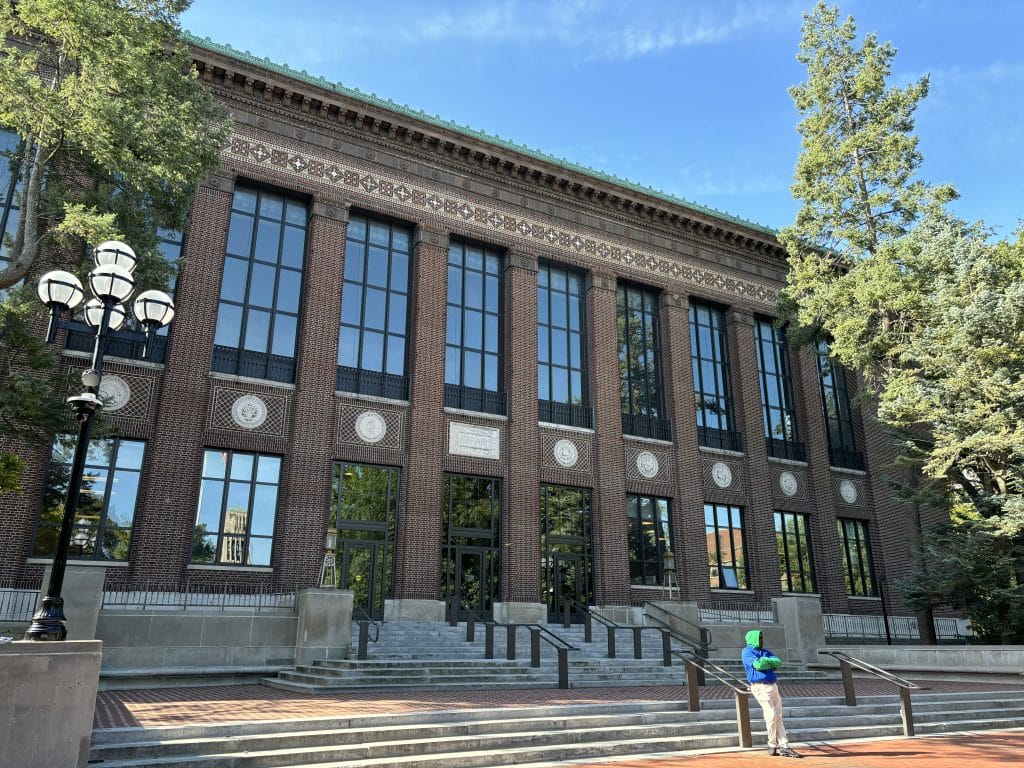
Health Science Scholars Program
Want a career in medicine? The Health Science Scholars Program (HSSP) is for students who value extra support and enrichment opportunities to prepare them for working in the health field. It offers pre-med advisors, special courses, and health science experiences.
Living Arts Engine
The Living Arts Engine MLC combines creativity with engineering. Students will work on projects that mix arts and engineering; it’s ideal for those who have an affinity for creativity and problem solving.
Lloyd Scholars for Writing and Arts
The Lloyd Scholars for Writing and Arts is for students who love creative writing and the arts. It offers workshops, mentorship, and a supportive community. It’s great for any major, helping students improve their writing.
The College of Literature, Science, and the Arts (LSA) Residential College (RC)
The University of Michigan’s LSA Residential College offers a rich liberal arts education. It includes narrative evaluations, interdisciplinary studies, and a focus on writing and language. This approach helps students become thoughtful and engaged learners, getting a well-rounded education.
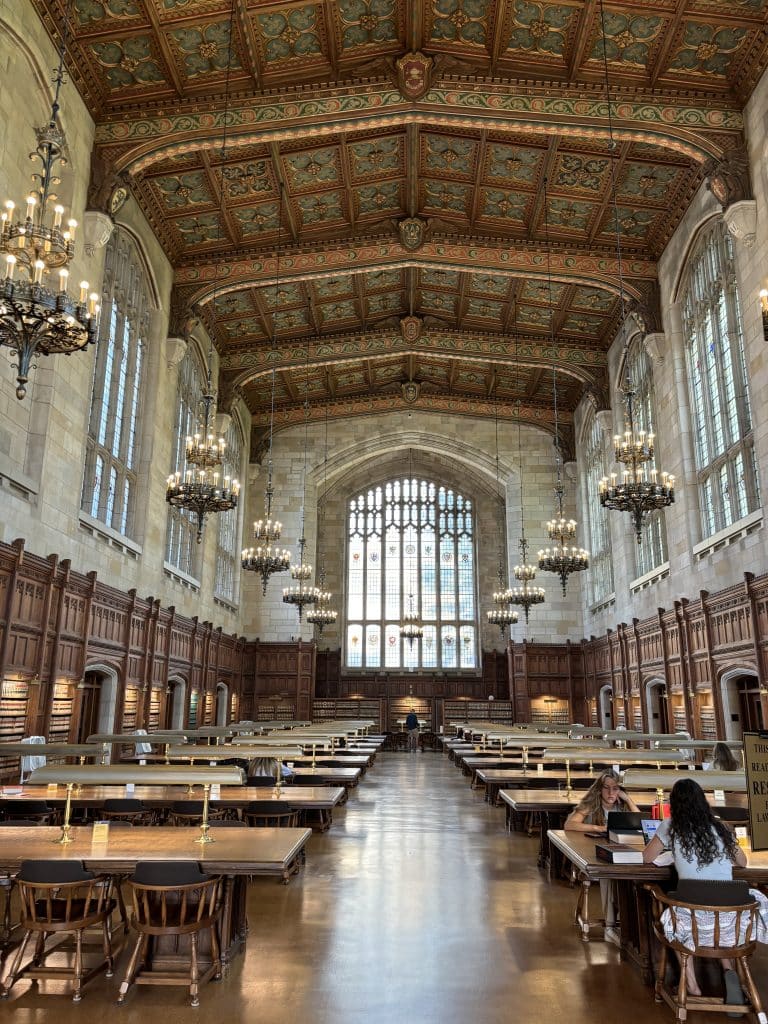
Unique Features of the RC
In the RC, students find a supportive academic space that encourages creativity and critical thinking. The college uses narrative evaluations, giving detailed feedback instead of grades. This helps students understand their strengths and areas for growth. It also promotes studying across different subjects. This way, students get a broad education. It prepares them for the real world.
LSA RC Academics
Students can choose from four LSA RC majors (Drama, Creative Writing & Literature, Drama, Social Theory & Practice), but they’re not limited to them. Classes are smaller, they are usually between 9-50 students per class. Specific faculty members work with students and are more accessible since their offices are on-site. Students are required to take the following coursework:
- First-Year Writing Seminar
- Language Proficiency Immersion in either Spanish, French, Russian, German, Japanese
- Art Practicum
- Four RC-specific courses
Students also have a residential requirement, they have to live in the East Quadrangle Residence Hall during their participation in LSA RC.
Applying to the RC
The RC application starts with the Common App. Prospective students can prepare a strong application by showing a strong understanding and excitement for the LSA RC educational approach.
Volunteer Opportunities at the University of Michigan
At the University of Michigan, community service is a big part of campus life. Students can choose from many options, like local outreach or international service-learning. Students can apply what they learn in class to real-life situations through community service. Whether a student is into environmental issues or social justice, there’s something for every interest. Students can start by exploring the options at the Ginsberg Center.
Community service activities add to the campus experience, mixing learning with community engagement. Students learn leadership, civic duty, and broaden their perspectives. Studies show that service-learning improves students’ personal and professional lives. By integrating community service into campus life, students graduate with more than just a degree. They also have valuable experiences and a strong sense of civic duty
Here’s a quick look at some key programs and forums at the University of Michigan:
| Program/Forum | Description |
| Ginsberg Center | Offers various community service and service-learning opportunities. |
| Planet Blue Ambassadors | Focuses on environmental sustainability initiatives. |
| Michigan Active Citizens (MAC) | Student-led organization promoting social justice and civic engagement. |
| Dialogue and Diversity Forums | Encourage open discussions on diverse social issues. |
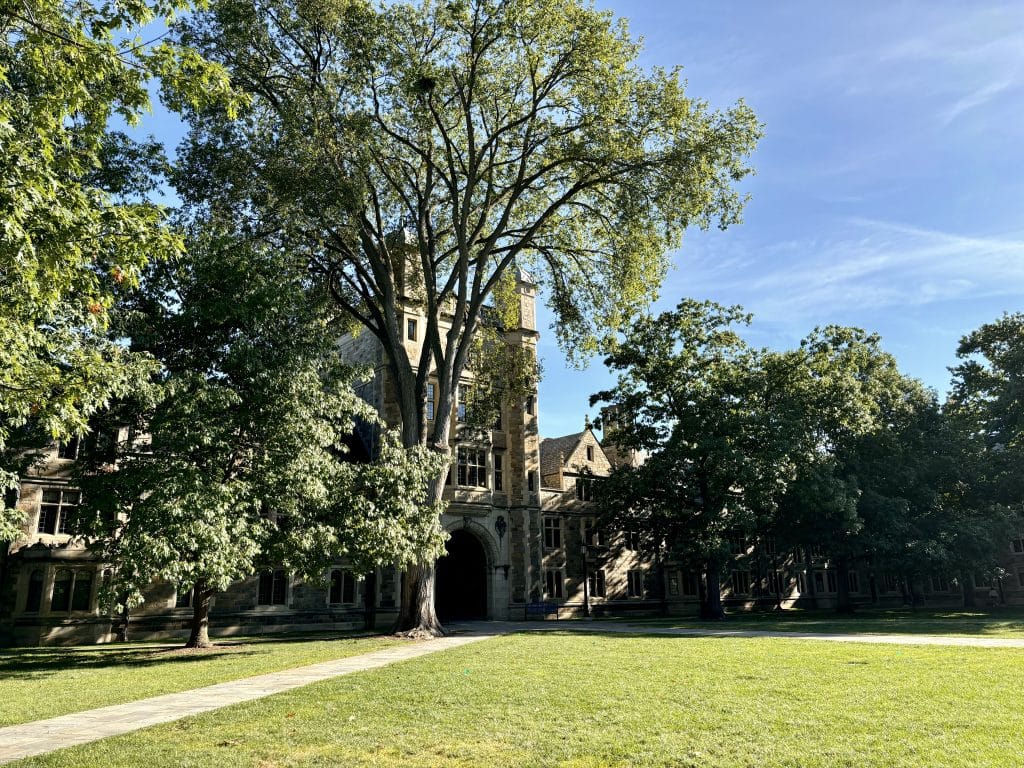
Immersive Language Programs
The University of Michigan offers students immersive language programs. They focus on making students fluent through classes and cultural activities. These programs help students become multilingual and culturally aware, ready for the world.
Available Languages
The University of Michigan teaches many languages, like Spanish, French, Russian, German, and Japanese. Each program aims to improve both language skills and cultural understanding. This helps students become multilingual and culturally competent.
Key Takeaways
- The University of Michigan is a top public university in the United States.
- Emphasis on interdisciplinary education and innovative teaching.
- A dynamic environment with numerous opportunities for student engagement.
- Diverse and vibrant student communities fostering leadership and service.
- Offers an enriching academic experience that promotes personal growth.
What makes the University of Michigan stand out?
The University of Michigan (or U-Mich for short) is pretty legendary! Nestled in the heart of Ann Arbor, this place is known for its vibrant campus life, top-notch academics, and spirited student body. Whether students are interested in engineering, computer science, the arts, or the humanities, they’ll find a major that excites them. Plus, the resources available, like the Center for Entrepreneurship and various scholars programs, really help students thrive.
How is the campus life at Michigan?
Campus life at Michigan is bustling and diverse! Students can engage in sports events and cultural festivals. The student government is very active providing excellent programming to bring students together. They facilitate club meetings, concert performances, ora social justice rallies. There’s always something going on! Plus, the Ann Arbor community is very welcoming. Students will feel like they’re part of something bigger!
What are the best majors to pursue at the University of Michigan?
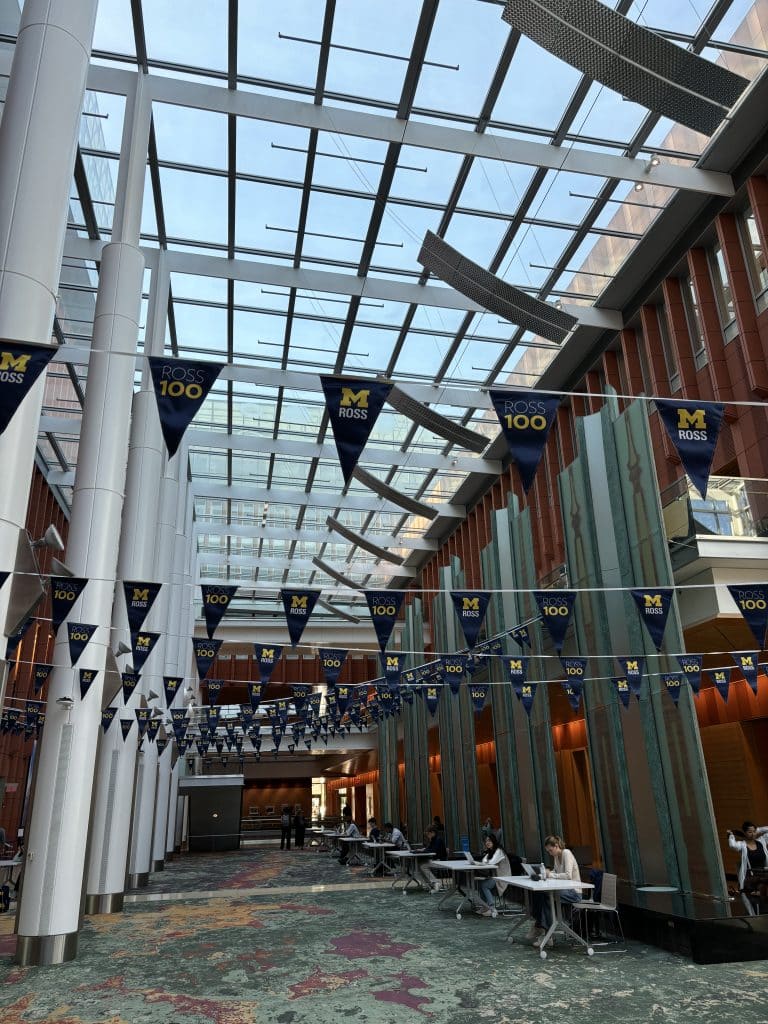
The College of Engineering is highly respected, especially for fields like electrical engineering and sustainable engineering. The Ross Business School is a powerhouse churning out accomplished students with excellent career prospects every year. However, if a student is leaning toward a more liberal arts vibe, the College of Literature has incredible programs too. Many students choose LSA (the College of Literature, Science, and the Arts) because of its variety of majors.!
What’s the admission process like for the University of Michigan?
The admission process is very competitive. The latest Common Data Set report (2023) shows that the average admitted student applied with a 3.9-4.0 GPA and standardized test scores of 31-34 (ACT) or 1350-1530 (SAT). Students will need to submit their application, transcripts, and test scores (if applicable). It’s also a good idea to showcase extracurriculars and any leadership roles, like being a mentor or involved in student government. Admission officers love to see well-rounded students who not only excel academically but also contribute to their communities.
For more college spotlights, check out the College Spotlight: Indiana University