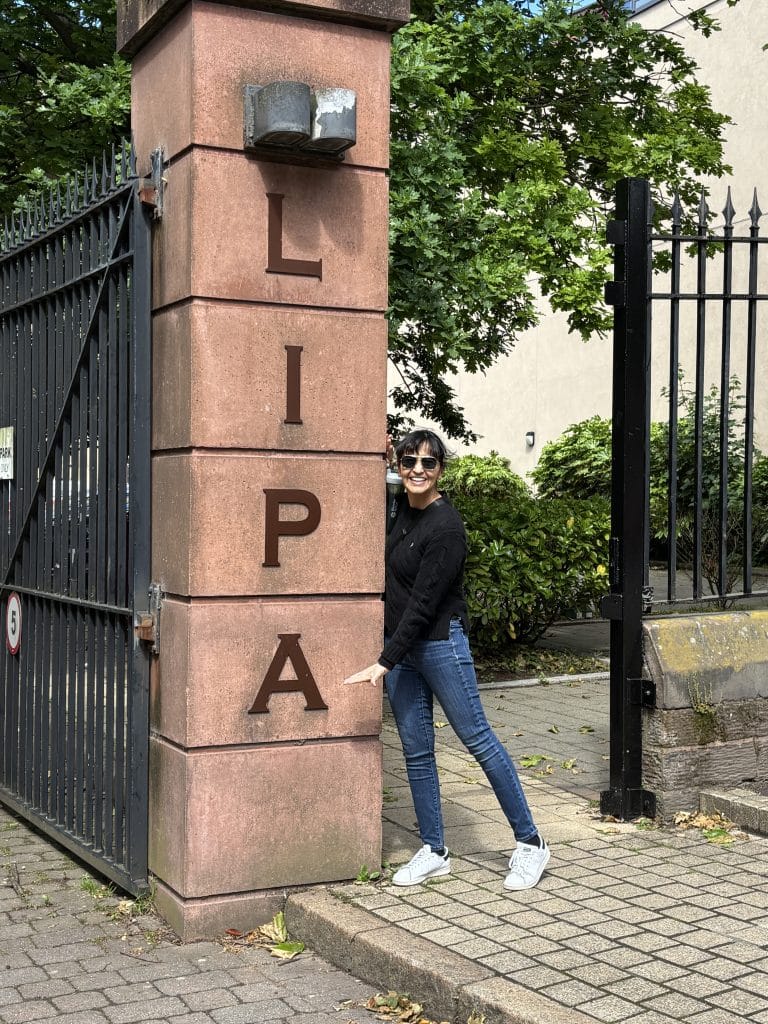
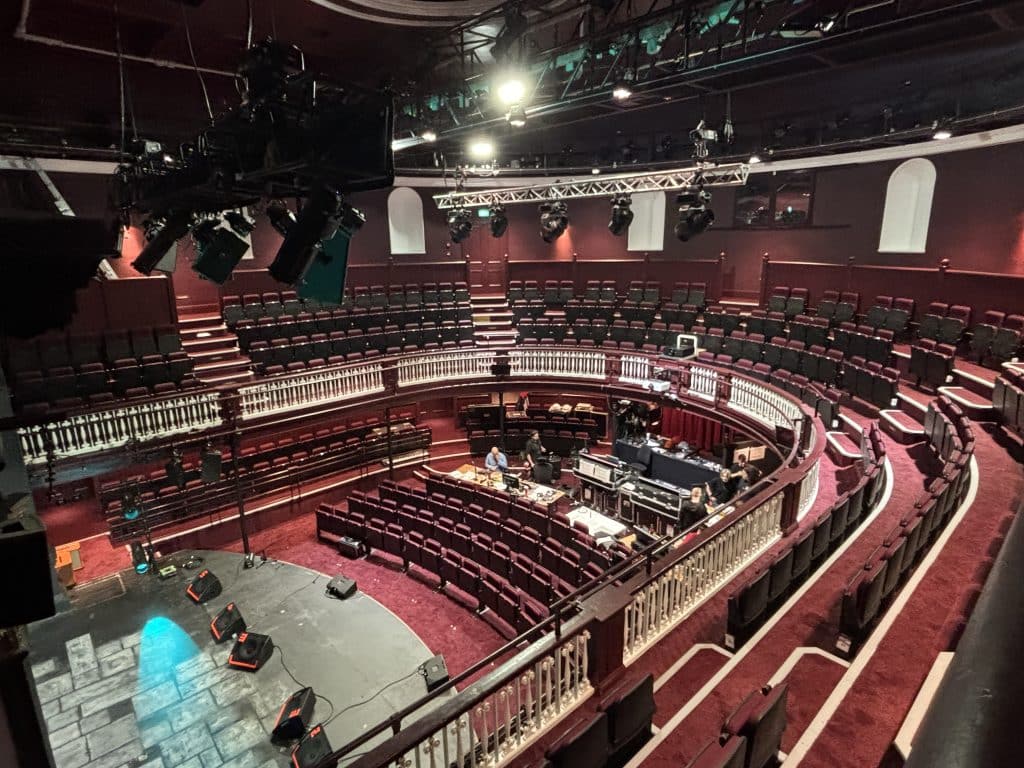
If you know me, you know I grew up listening to The Beatles. I fell in love with their music after listening to my parents’ vinyl records. So, you can imagine my delight when I was invited to visit the Liverpool Institute for Performing Arts (LIPA). Three of the four Beatles (John, Paul, George) studied in the very buildings that now house LIPA. That tells you almost everything about this place before you even glance at the stellar programs.
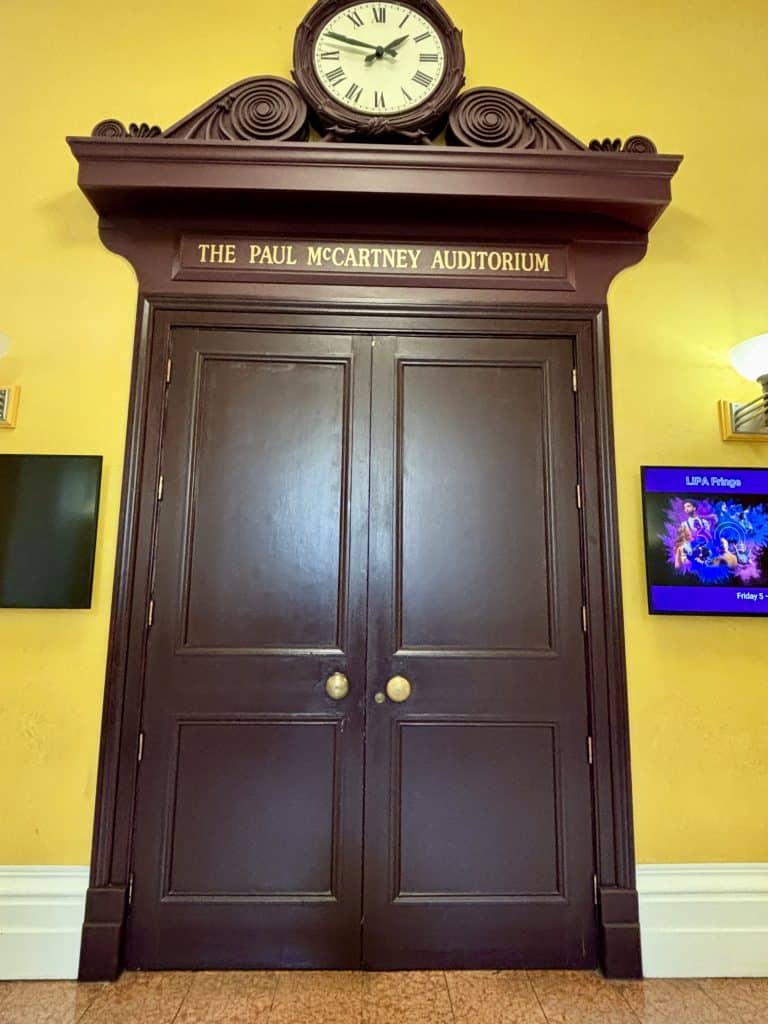
Co-founded by Sir Paul McCartney (who attended the LIPA graduation just a few days ago!), LIPA trains actors, dancers, musicians, filmmakers, designers, and sound engineers in a buzzy, vibrant, walkable city. If your student dreams of a performing arts career, read on to find out about why LIPA keeps coming up in my conversations with families.
About LIPA
LIPA opened its doors in 1996, when Sir Paul McCartney and Mark Featherstone-Witty turned the old Liverpool Art College into a specialist institution. It was built for performers and for the people who make performance possible. The ethos here is collaboration, and LIPA wants to train talented performers and build careers. Students put on more than fifty performances a year. So by graduation, your student will have a body of real work behind them.
Location
Liverpool is a small city of about 500,000 people, but it’s home to 70,000 students. It has that young, energetic, college town vibe without the overwhelm of a bigger city. Living there costs roughly half as much as living in London, New York, or LA. Modern, upscale, and centrally located student accommodations run about $800/month.
From San Diego, the most direct route runs through Atlanta and then Manchester on Delta Airlines. So it’s a farther trip than a UC campus, but not an impossible one. Liverpool earned the title of European Capital of Culture in 2008. The city has since become a magnet for film production, with Batman, Fantastic Beasts, and Fast and Furious 6 all shooting there. Even Taylor Swift loves Liverpool; her Eras tour stopped in the city in 2024.
Academics
LIPA is organized into three schools, and each one trains students to be both artists and working professionals.
School of Performance
This school takes what’s called a quadruple threat approach: acting, singing, dancing, and an instrument, all at once. That combination is rare among performing arts programs, and it’s part of what makes LIPA graduates so employable. Led by Stuart Crowther, the school offers six courses and two foundation year courses:
-
- Acting
-
- Acting (Contemporary Performance)
-
- Acting (Screen & Digital)
-
- Acting (Musical Theatre)
-
- Acting (Musicianship)
-
- Dance
-
- Cert HE Foundation (Musical Theatre)
-
- Cert HE Foundation (Acting: Stage & Screen)
School of Creative Technologies, Design & Enterprise
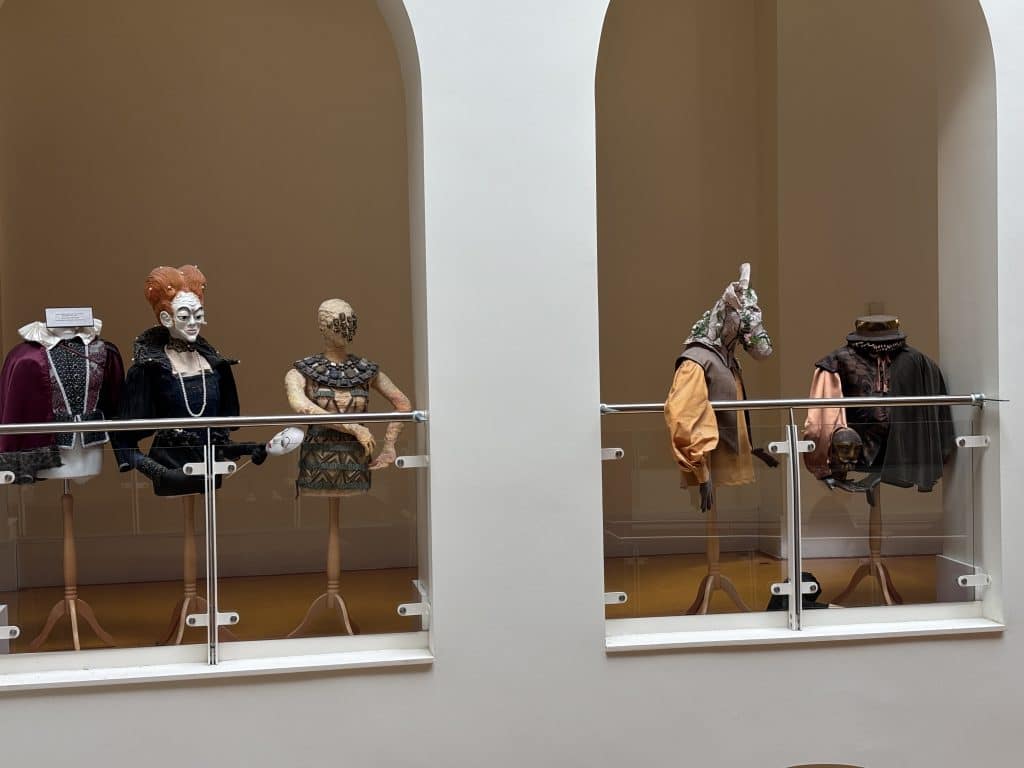
With eight courses, this school leans into the business and technical side of performance, and Filmmaking is its most popular track.
-
- Filmmaking & Creative Technologies
-
- Management
-
- Management (Live Events)
-
- Management (Music Industry Management)
-
- Management (Theatre & Screen)
-
- Theatre & Performance Design
-
- Theatre & Production Technology
-
- Sound Technology
School of Music
This school’s six courses focus on pop, contemporary, and commercial music.
-
- Music (Contemporary Pop Voice & Performance)
-
- Music (Popular, Contemporary & Commercial)
-
- Music (Production)
-
- Music (Session Musicianship)
-
- Music (Songwriting & Performance)
-
- Music (Songwriting & Production)
All three schools bring in masterclasses taught by celebrities and working industry professionals. This is where the McCartney connection really pays off. More on that in the Special Opportunities section below.
Academic Programs: A Closer Look
Dance
Led by Sarah Baker, Head of Dance and Wired Aerial Theatre, this program builds employability into every single year.
-
- First years study acting, voice, and dance together. Students train in ballet, tap, contemporary, commercial, and jazz every term, not just one style per semester.
-
- Dance students also work directly with film, costume, design, and lighting students on productions. So, they’re learning through collaboration, exactly the kind of cross-discipline exposure you want in a performing arts degree.
-
- External choreographers come in regularly, including a London hip hop company that teaches the commercial track. There’s even a Healthy Dancer module built into the curriculum; LIPA is thinking about the longevity of their students’ careers.
-
- By third year, students take on long-term projects. Recent graduates worked on a production of Rigoletto in Austria. Students can choose electives in circus arts, including silks and hoops, or bungee-assisted dance.
-
- Graduates go on to contemporary dance companies, the West End, music videos, and touring companies.
Filmmaking
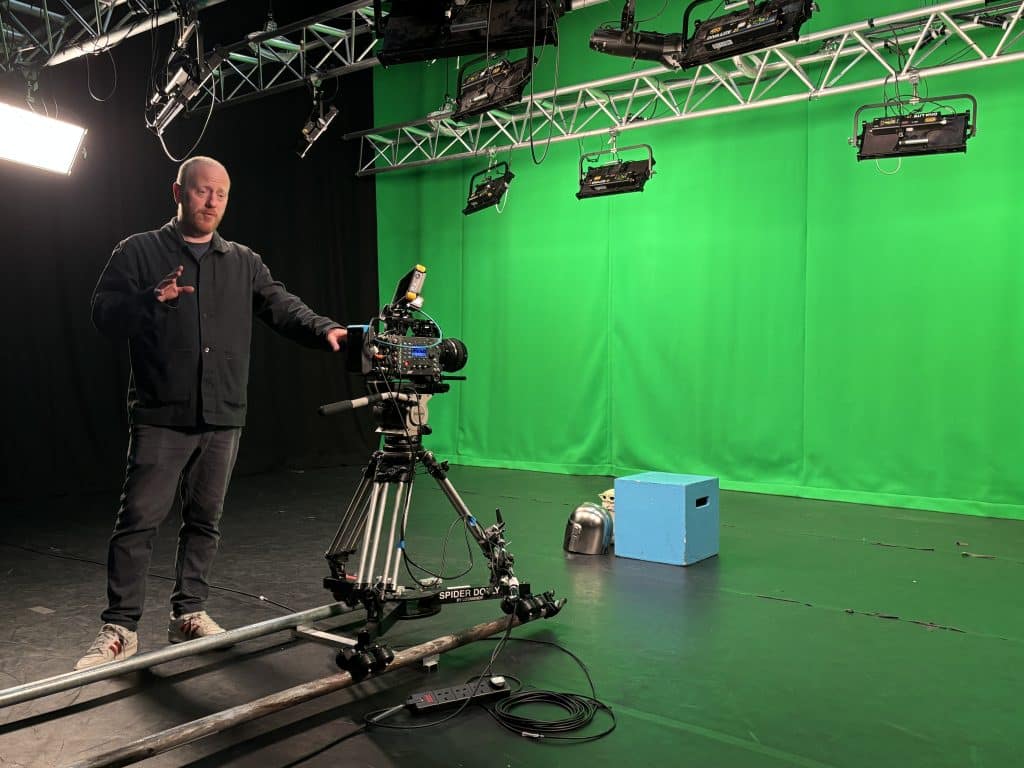
Led by Steve Davies, Head of Filmmaking & Creative Technologies, this program launched during the pandemic and has now graduated four cohorts.
-
- Students study filmmaking and screen acting alongside the technical side, and they collaborate constantly with actors and writers from other schools.
-
- Coursework covers lighting (including film noir techniques), camera operation, and sound, plus Film Studies and Film Technologies for context and theory.
-
- Students complete three project modules that grow in scope each year: first years work within a twenty-five minute limit, second years get forty-five minutes, and by third year, there’s no limit at all.
-
- Film students also collaborate across campus, filming the dance department’s shows and the music program’s concerts with an eight-camera setup.
Sound Technology
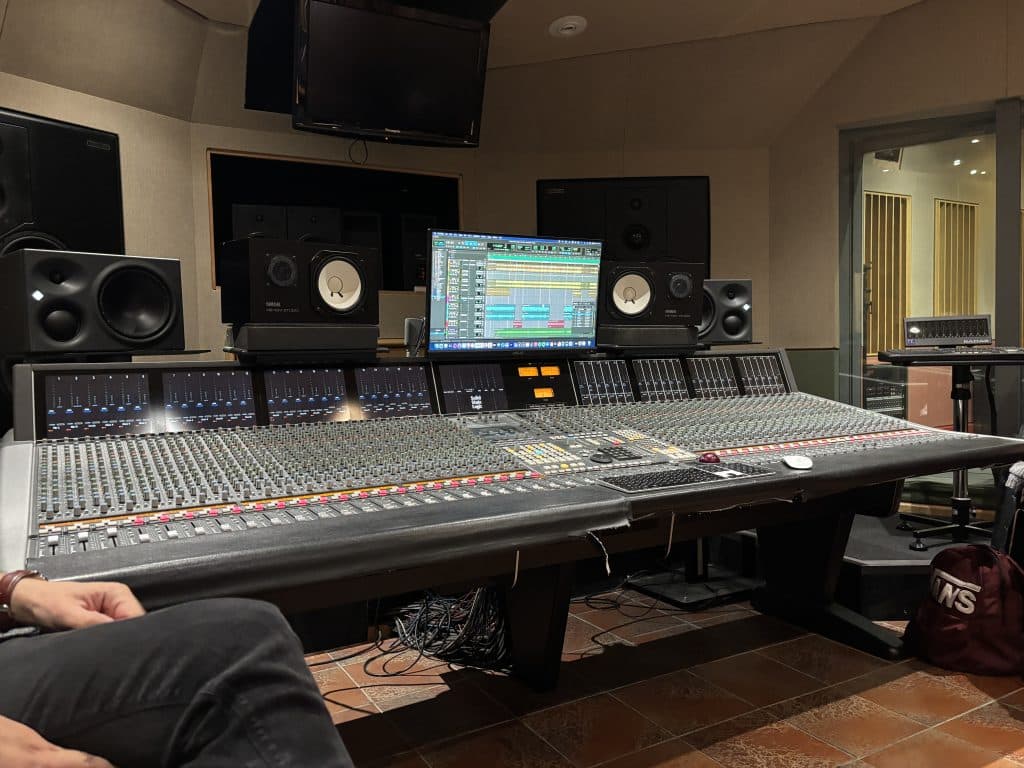
Led by James Thorne, Head of Sound Technology, this program’s flagship space is the George Martin Studio, one of six studios on campus. The degree covers three strands: music recording and mixing, live events, and sound for moving picture.
-
- First year modules are all compulsory. This includes sound for picture and technical foundations, where students learn the physics of sound production before they ever touch a fader.
-
- All three years balance technical skill with theoretical understanding. Students learn not just how to do something, but why it works.
-
- Everything is people-oriented, and students learn Pro Tools, the industry-standard software.
-
- The cohort stays intentionally small, about thirty-five students per year. This ensures close support and mentorship.
-
- Admission requires a written application and possibly an interview. A recording sample where students explain their process (video of past projects works too) is also mandatory
-
- All students get a personal tutor, and Professional Preparation courses in years one and two include mock interviews.
Music
Led by Chris Nicholls, Music Lecturer and Admissions Tutor, this program gives students access to about forty practice rooms. Students also benefit from one-on-one instrument tutoring starting in year one.
-
- Across five programs and roughly 120 students total, Songwriting and Performance is the most popular at about forty students. The Contemporary track and Songwriting and Production follow closely.
-
- Contact time runs fourteen to eighteen hours per week. Students attend lectures and seminars. They will also take one-on-one instrumental lessons, workshops, production rehearsals, and masterclasses.
-
- Students also study A&R (artist and repertoire). This gives them a real look at the business and performance side of the industry.
Academic Flexibility
LIPA doesn’t work like a most US universities, where a student can switch majors easily. Programs here are audition-based and specialized from day one. But the cross-school collaboration built into every program is its own kind of flexibility. Dance students work alongside film students, sound technology students record sessions for music students. Everyone gets exposure outside their own discipline. If your student isn’t sure whether they want to perform or produce, that overlap gives them room to explore without transferring schools.
Admission Requirements
Applying to LIPA starts with a written application. Students may be invited to interview from there. Depending on the program. About half of all applications go toward theatre, musical theatre, and performance tracks specifically. Those programs are especially competitive
Here are my top tips:
-
- Students should expect to submit audition materials: a portfolio, or a recording sample, and to be ready to explain their creative process.
- Auditions run from January through March, and LIPA holds sessions in the US, including Huntington Beach, California and Interlochen, Michigan. Both are far more convenient for SoCal families than a transatlantic flight.
Campus Life
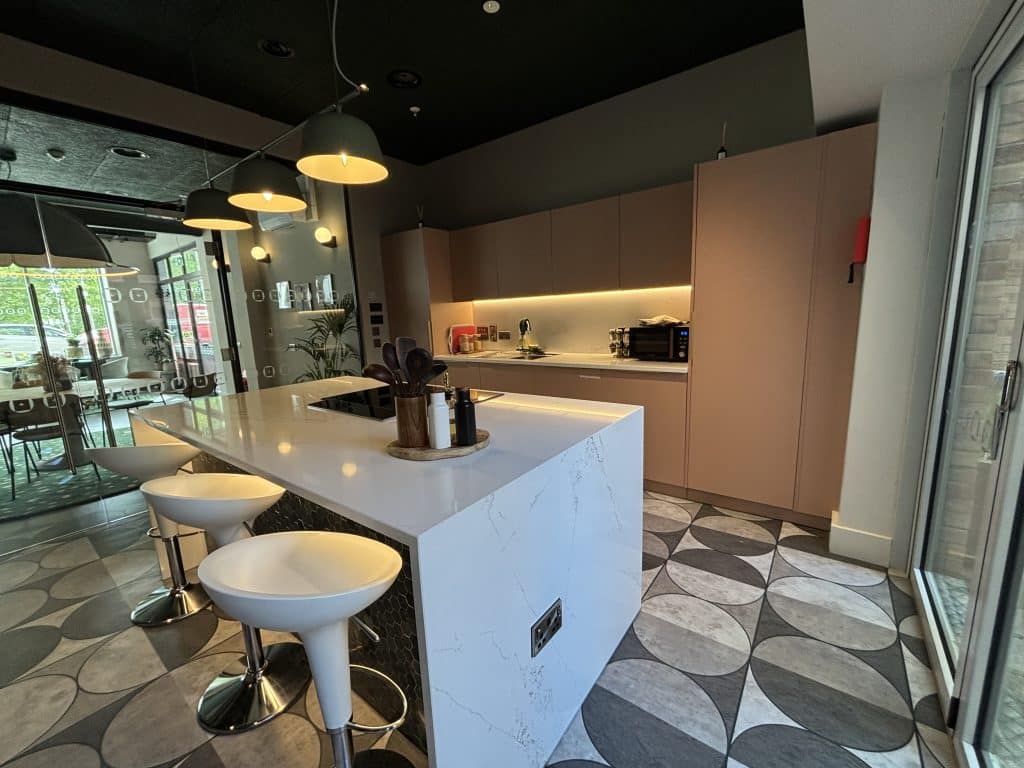
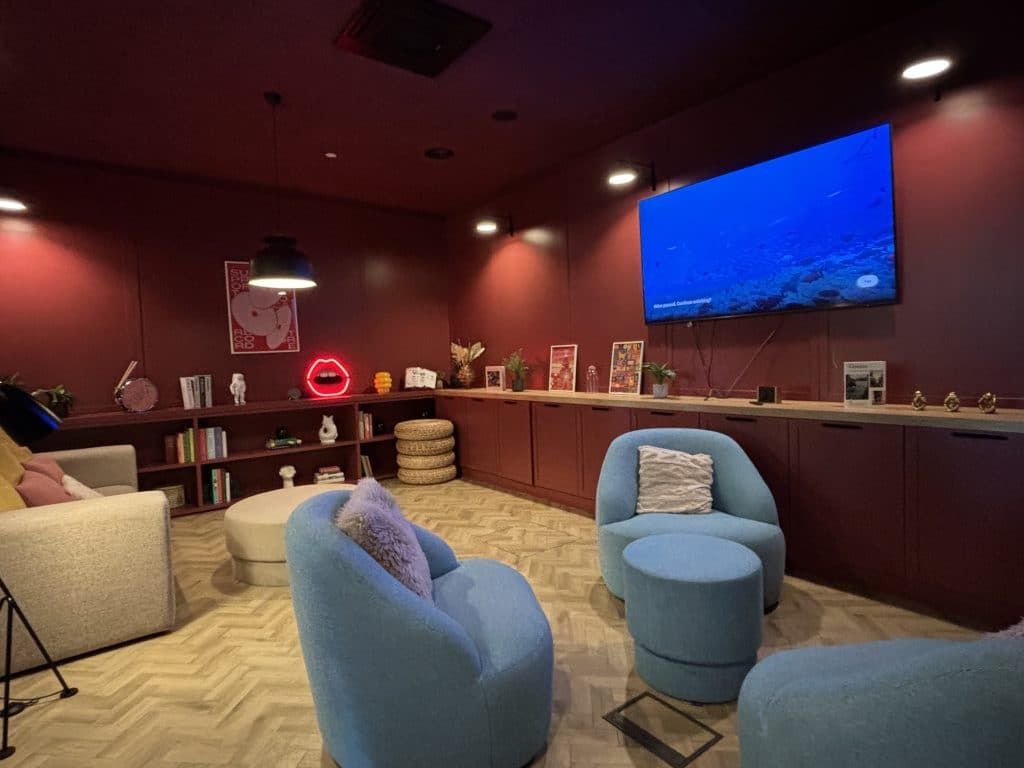
LIPA invests one million British pounds annually in its facilities, and students get twenty-four-hour access to studios during term time. If your student does their best work at eleven at night, LIPA will support them. The surrounding city is safe, friendly, and has a strong sense of community. Students recognize each other from productions and showcases across campus.
Student Activities
Clubs and societies give students a life outside coursework. From a filmmaking society to a popular music club, these student-led groups build leadership skills and let students explore interests beyond their program.
Student Support
Every student has access to tutors and professional preparation courses in years one and two. LIPA builds interview practice into the curriculum well before graduation. The Enterprise Fund lets students apply for grants supporting opportunities like students taking a film to Cannes or performing at the Edinburgh Fringe. This kind of support turns a strong student project into an actual career credential.
Demographics
LIPA enrolls about 1,200 students representing 45 nationalities, and about a third of its international students come from the US. Your student won’t be the only US student navigating a British campus. LIPA describes its most successful students as creative, individual, and willing to take risks.
Financial Information
LIPA’s total cost of attendance is about $55,000 per year. That includes tuition, room, food, and average travel and personal expenses. Students can use FAFSA grants or loans to offset costs. Additionally, students are allowed to work on a student visa.
Special Opportunities
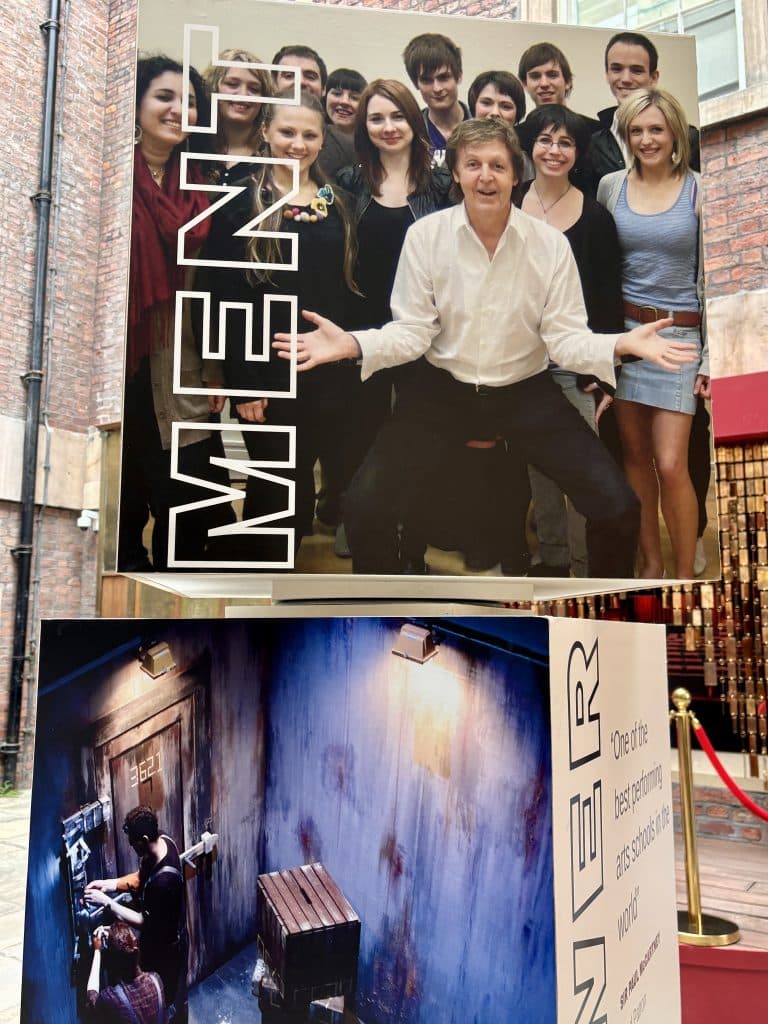
This is where LIPA’s Beatles pedigree shows up most visibly. Masterclasses have featured Paul McCartney, Bruce Springsteen, Mark Ronson, Pixie Lott, and Robert Plant. This gives students access to world-class professional that most conservatoires can only dream of. Students showcase their work at festivals and industry events throughout the year. 93 percent of graduates find employment after finishing their degree, a strong outcome for any performing arts program.
Conclusion
If your student wants to train seriously in performance, filmmaking, sound, or music, and they’re drawn to a smaller, collaborative environment over a massive university, LIPA deserves a real look. It won’t fit every student; the audition process demands commitment, and the distance from San Diego is real. But for the right student, training in the same building where The Beatles once studied, under instructors who still bring McCartney in for masterclasses, might be exactly the experience that turns a vivid interest into a lifelong career.
Frequently Asked Questions
Is LIPA affiliated with The Beatles?
LIPA was co-founded by Sir Paul McCartney in 1996, and it occupies the building that once housed his old school, the Liverpool Institute. It isn’t a Beatles-themed program, but that history shapes the school’s culture, and McCartney still returns for masterclasses.
How competitive is admission to LIPA?
LIPA requires a written application, a possible interview, and audition or portfolio materials depending on the program. About half of applicants apply to theatre, musical theatre, and performance tracks specifically, making those especially competitive. I’d recommend starting audition prep early if your student is considering LIPA.
Can San Diego students audition without flying to the UK?
Yes. LIPA holds auditions in the US between January and March, including sessions in Huntington Beach, California and Interlochen, Michigan, both accessible for SoCal families without a transatlantic flight.
Is LIPA affordable compared to US performing arts schools?
Liverpool’s cost of living runs about half of what you’d pay in London, New York, or LA, which helps offset some of the financial pressure of studying abroad. Although LIPA does not offer merit scholarships, the total cost of attendance is about half the cost as other programs in the US.
Weighing a UK arts school against US options for your student is exactly the kind of decision I help families work through. Book a Strategy Session and let’s map out the right path together.
Check out other UK universities with strong creative programs:
Goldsmiths University
Leeds Arts University
Trinity Laban University